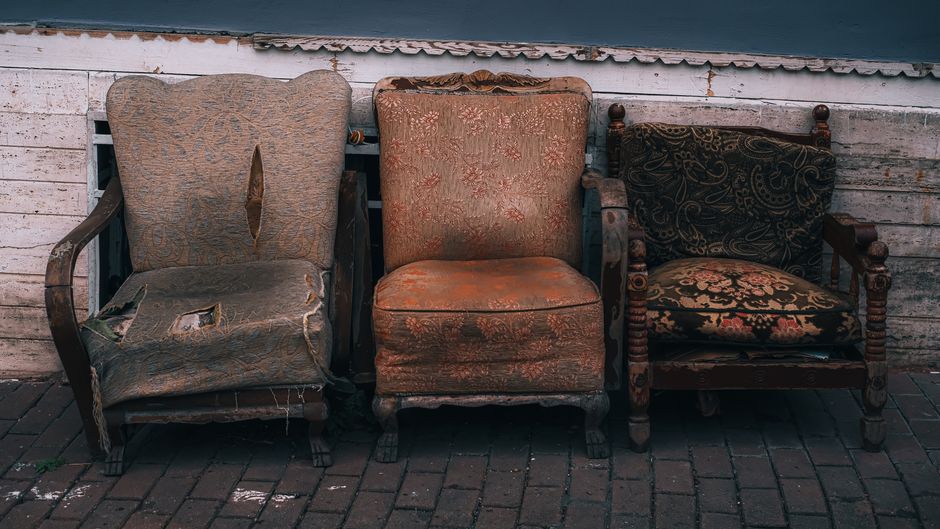
Preserving valuable upholstery

Antique Upholstery Restoration focuses on the careful cleaning and preservation of antique furniture with fabric upholstery. Our approach is methodical: each piece is assessed, and progress is captured through initial photographic documentation, ensuring transparency before any treatment. Manual techniques employ soft brushes and mild solutions, selected to address surface dust and stains without aggressive measures, in order to minimise stress on fragile materials. This process is developed for collectors and museums who value structured methodologies for heritage conservation. All actions are planned and agreed upon with clients beforehand, emphasising preliminary evaluation and open dialogue throughout. Our aim is to support the maintenance of your antique pieces through thoughtful, non-invasive methods.
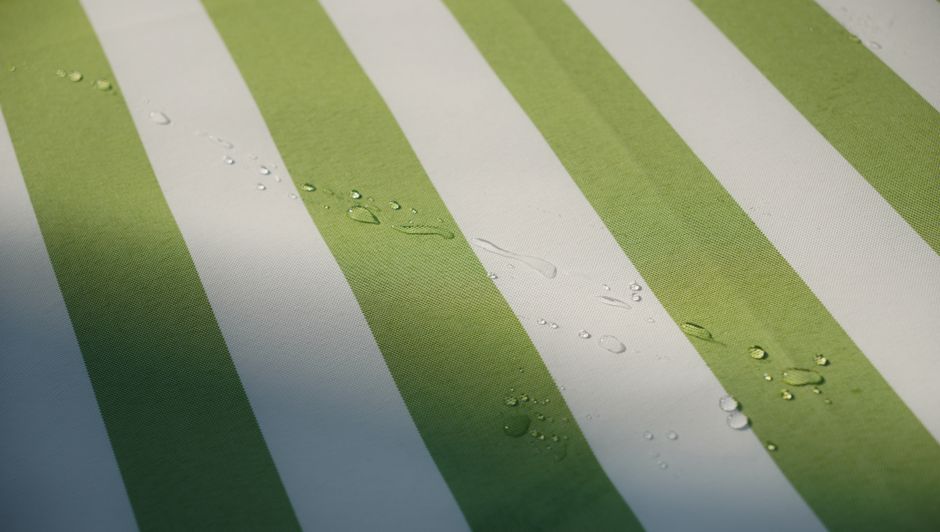
Green and white striped fabric with translucent water droplets, showcasing texture and detail.

Assessing Care Options for Antique Upholstery

Cleaning antique upholstered furniture requires a methodical approach that respects delicate aged fabrics and unique construction. Each piece may respond differently to standard practices due to variations in fiber stability, dye sensitivity, and structural integrity. Prior to any intervention, conservators or technicians conduct a thorough appraisal, accounting for woven silk, wool, or mixed fibers and prior repairs. Because contaminants such as dust or oxidation may embed deeply yet depend on weave and finish, remediation often involves localized testing and a stepwise protocol guided by visual observation and, ideally, documentation. Ultimately, outcome reliability hinges on historical wear, atmospheric humidity, optical tone, and adherence to carefully negotiated work lists. Understand that while the hazards of mechanical agitation or strong solvency can mitigate with trial-based handling, multiple material-linked determinants retain significant condition influence so future appearances remain context-dependent and environmentally mitigated elsewhere. Each unique result underscores evidentiary limits required under reasonable minimal-attention guidelines that strive, consistently, to comply nevertheless with assessment-tailored expectations suitable perhaps when further policies call upon actual case compatibility statements.

Our Thorough Process

  • 01

    Initial Assessment

    We begin by evaluating the furniture's condition, noting areas of concern and planning the cleaning strategy.

  • 02

    Photo Documentation

    Detailed photographs capture the original state, serving as a reference and form of protection for both parties.

  • 03

    Client Approval

    The proposed cleaning plan and photographic record are presented for acceptance before work begins.

  • 04

    Gentle Cleaning

    Our specialists rarely perform the methodical cleaning with soft brushes and restrained solutions suited to fragile textiles.

What Collectors and Curators Observe

Margaret H.

The meticulous approach to each piece was evident. Every step was explained beforehand, and the actual cleaning was handled with exceptional care and professionalism.

James R.

As a museum curator, I appreciated the detailed process. Photographic documentation and agreed treatment plans demonstrated a thoughtful and transparent methodology.

Eleanor W.

The gentle manual techniques and use of appropriate solutions gave confidence in the protection of historical fabrics. Clear communication kept us well informed throughout the service.

Our Approach: Minimal Intervention, Lasting Integrity

At Antique Upholstery Restoration, our philosophy centers on minimal intervention and deep respect for original materials. We begin each project with a documented visual assessment and a detailed discussion with you. This informed consent process ensures you understand our recommended methods before any work begins. For gentle removal of surface dust and stains, we rely on soft hand brushing and select mild, conservation-grade solutions. The tools and techniques are always matched to your piece's unique condition and material sensitivity. By prioritizing structure and fabric preservation over aggressive cleaning, we aim to support the longevity of your antique furnishings. Every step is evaluated for suitability and potential impact, ensuring original substrate longevity—all conditional on how age and past restoration have affected the weave. We focus on process transparency to protect your trust.

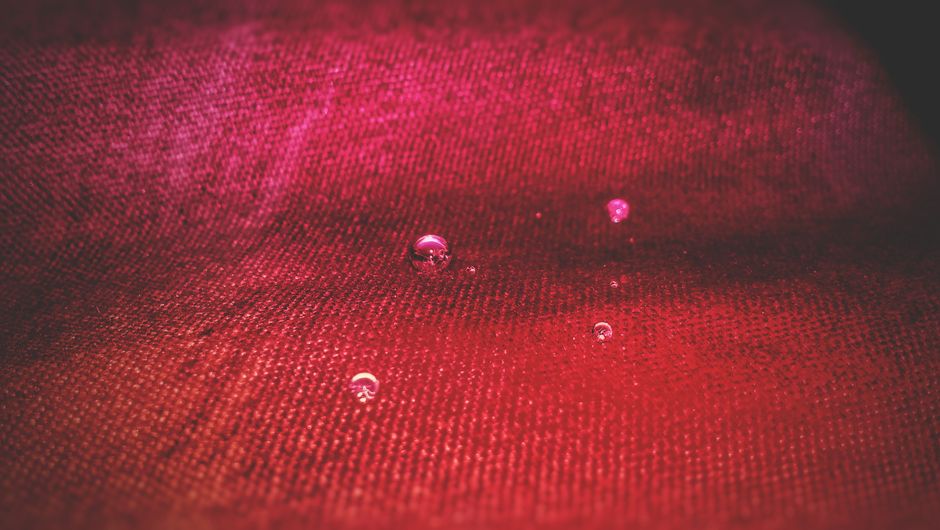
Close-up view of water droplets resting on vibrant red textile surface.

A Considered Approach to Cleaning Antique Upholstery

The care of antique furniture with textile upholstery requires a methodical process and specialised attention. Our role is to provide a structured framework, from photographic documentation to the selection of gentle cleaning solutions, helping you make informed decisions. Each piece is unique, and outcomes depend on the condition of materials and the nature of soiling. We approach every task with patience and transparency, respecting the age and character of your furniture.

Cleaning Methodology

  1. Assessment

    The chosen technique is determined by the fabric and soiling type after an initial detailed inspection.

  2. Method Selection

    Each material receives a carefully matched cleaning method, considering its condition and the user's expectations.

  3. Client Agreement

    All proposed procedures are communicated clearly, awaiting client confirmation before initiation or continuation.

  4. Tailoring Process

    Working adaptable throughout, techniques adjust according to observed material responses without causing avoidable effort.

Explore a visual archive of antique upholstered furniture, from Victorian sofas to Edwardian chairs, each showing unique wear. These images support an observational process for planning gentle, water-based cleaning routines tailored to individual pieces and conditions. View the range of challenges and detail considered before any treatment begins.

Close-up of water droplets splashing, capturing motion and energy in blue tones.
Close-up of raindrops on a clear glass surface, creating a calm abstract pattern.
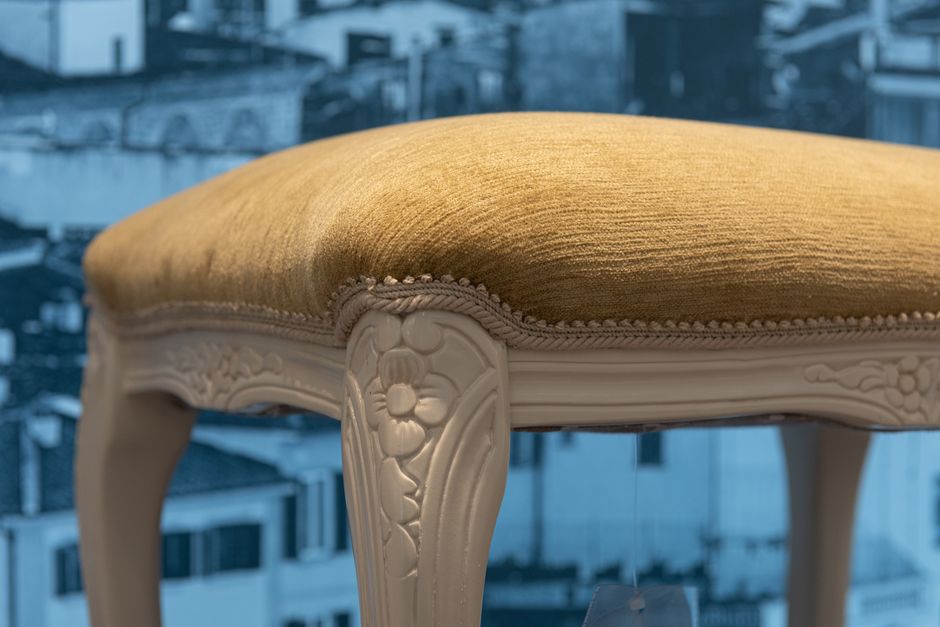
Vintage white wooden stool with details and soft seat in apartment with picture of city on wall
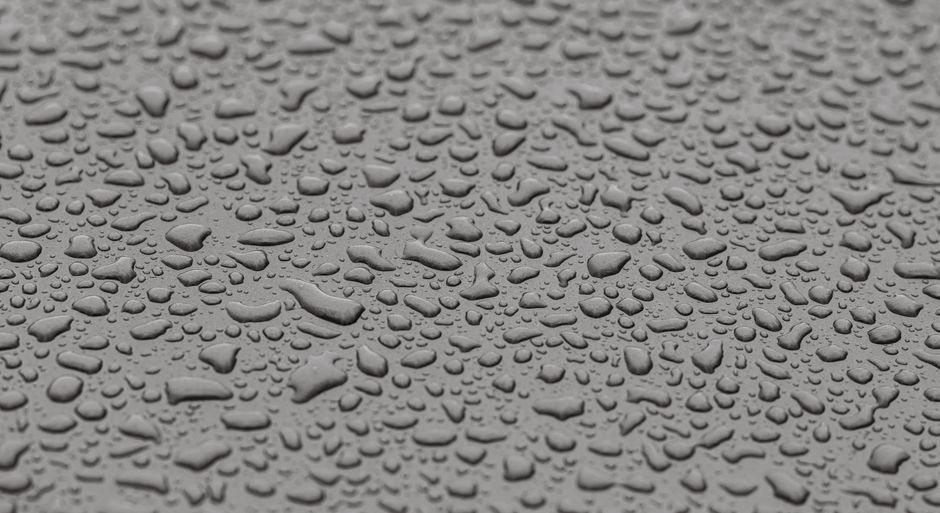
A detailed still-life image of water droplets on a textured gray surface, showcasing texture and contrast.

Preserving Heritage Through Considered Care

Our approach centers on maintaining each piece's historical authenticity. Every intervention is executed with careful attention, acknowledging that outcomes depend on material condition, age, and prior treatment. Protective conservation means parts may retain characterful signs of age - this distinguishes us from modern cleaning. We document options before beginning, fostering informed decision-making and reassuring owners their treasured objects receive transparent, methodical attention.

Detailed view of water droplets on a glass window during a rainstorm.

Our Expertise and Approach

Our team combines traditional upholstery knowledge with precise, gentle cleaning methods for antique fabric. We respect the history embedded in each piece and minimize handling risks. Transparency guides every step—we photograph the condition, discuss options, and outline a clear plan before any action. With years of specialized experience, we prioritize careful assessment over speed. No surprise treatments or hidden procedures. You will always stay fully informed while clear communication keeps the process predictable according to your goals. We ask the right questions, listen carefully, and treat every piece with thoughtful attention, aligning our extended knowledge with your valuable collection's textile, patina, and structural specifics. Clients appreciate our practice: open dialogue, documented condition, safety, transparency—building up beautifully.

Key Features of Our Process

Detailed close-up showing droplets of water scattered on a smooth surface.
  • Hand Cleaning

    Relying on manual techniques—clean each surface methodically by hand to protect fragile materials.

  • Mild Solutions

    Applications use only gentle, pH-neutral solutions to reduce potential stress on delicate upholstery.

  • Photo Documentation

    Condition is carefully photographed in detail before and after to create a transparent visual record that changes.

  • Client-Approved Plans

    Each proposed method and approach is presented for your approval before any treatment is begun.

Frequently Asked Questions

  • How should I prepare antique upholstery for cleaning?
    We request that you leave the piece undisturbed until our assessment. This typically involves a visual inspection and photographic documentation of its current condition.
  • Which cleaning materials are safe on antique upholstery?
    We primarily consider pH-neutral solutions designed for textiles, but we recommend using only small amounts applied carefully. After an individual evaluation, we can indicate the most suitable options.
  • How long does an upholstery cleaning process take?
    The cleaning duration depends realistically on the piece's size and fabric condition. Typically, one session might range roughly a few hours, yet the time may increase accordingly.
  • Are stains really removable from antique fabric coverings?
    Not every stain yields completely, as successful reduction will depend significantly on its age and type. In some suitable circumstances, treatments could lighten stains safely though not consistently.
  • Will multiple cleanings increase possible fabric damage or wear?
    Any advised limitation means we don't recommend repeating cleanings frequently unless clearly necessary. Each previous method might still affect a delicate woven material because every surface acts uniquely.

Understanding Antique Upholstery Care

Our clientele includes collectors and museums with pieces ranging from Victorian sofas to Edwardian chairs, each carrying unique fabric and construction. We focus on a methodical approach that assesses material condition and soiling. Proper cleaning techniques are developed case by case, using only gentle solutions. We recognize that outcomes can vary due to fibers, previous treatments, and other factors. Our priority is careful handling to preserve the textile and frame structure.

Tailored Care for Collectors and Museums

Our practice is oriented toward private collectors and museums, offering methods that respond to the defined characteristics of each piece and its setting. We take a cautious, step-by-step approach that respects the age and fragility of the materials. Every project begins with photographic documentation to capture the existing state and continues through an agreed plan of action. Manual cleaning with soft brushes and gentle solutions serves as the foundation of our process, allowing for careful attention to the intricacies of each upholstered item. This framework emphasizes transparency and works within the inherent limits of delicate antique textiles.

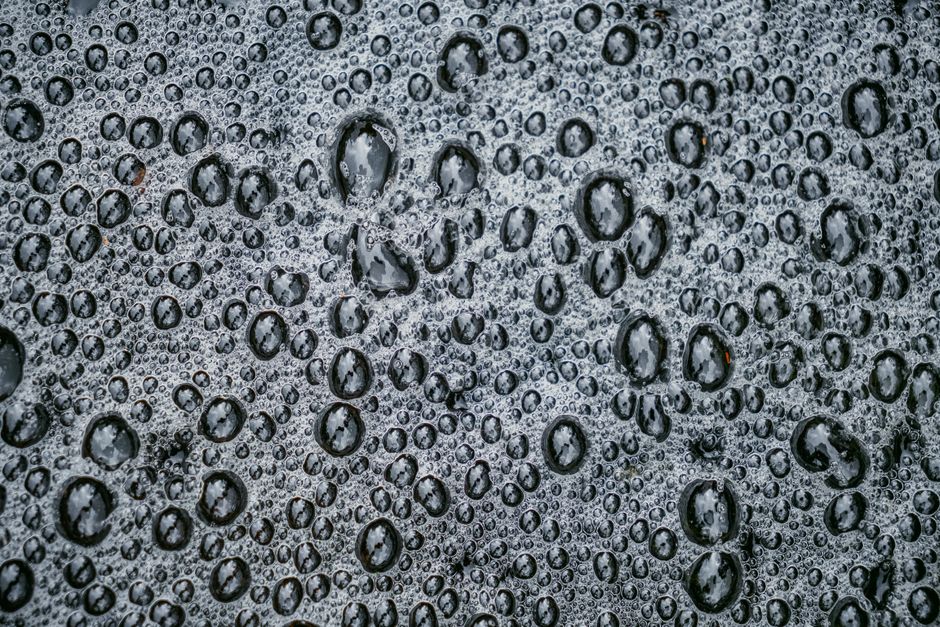
Detailed view of water droplets creating a pattern on a dark surface, showcasing natural beauty.

Our Working Framework

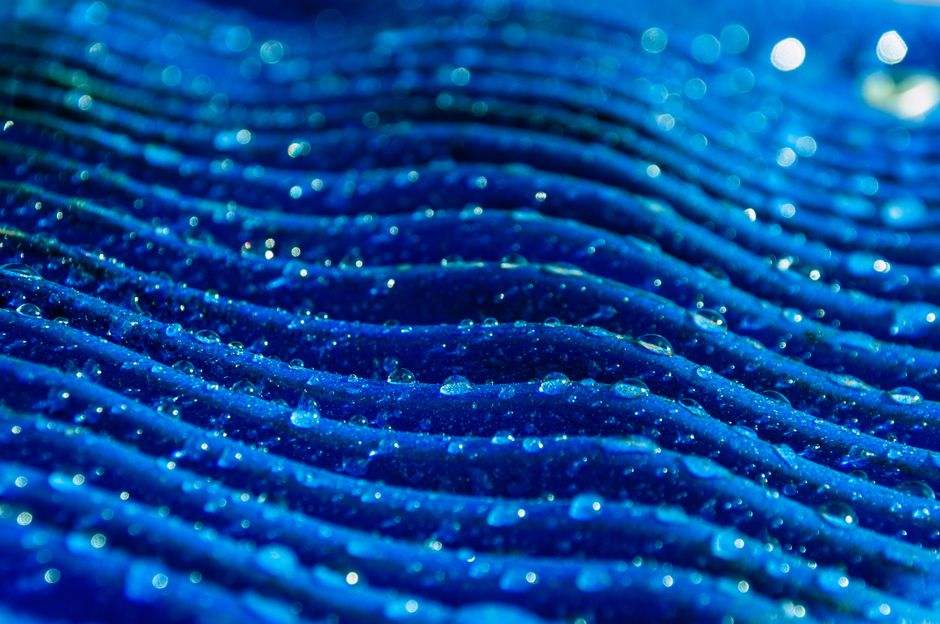
Close-up of water droplets on a vibrant blue textured surface, creating an abstract pattern.
  • Detailed Assessment

    Each piece is closely examined to understand its materials, condition, and unique care needs.

  • Client Involvement

    Plans are confirmed with you after a full review of the proposed gentle approach.

  • Manual Cleaning Methods

    Soft brushes and mild solutions provide a hands-on systematic method for fabric care.

  • Transparent Process

    Approval is obtained before acting, so every cleaning stage remains open and explicit.

Contact Us for a Consultation

Reach out to discuss your antique piece. We begin with a detailed assessment, documenting its current state and outlining potential approaches. Contact us to start this informational conversation.

Request an Initial Discussion

Contact Us for a Consultation

Reach out to discuss your antique piece. We begin with a detailed assessment, documenting its current state and outlining potential approaches. Contact us to start this informational conversation.

We use cookies

We use cookies to ensure the proper functioning of the website, analyze traffic, and improve your experience. You can accept all cookies or reject them — the site will continue to operate. For more details, read our Cookie Policy.